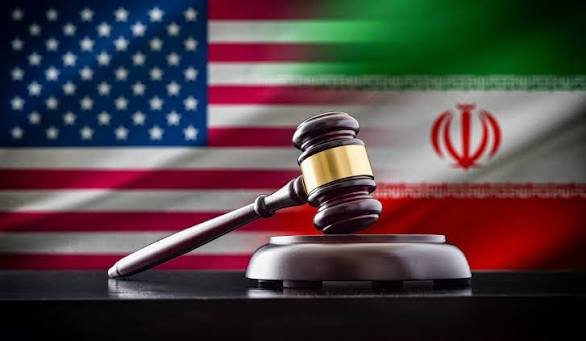
The conflict between Iran and the United States has become one of the most important geopolitical issues in 2026. The confrontation has affected not only Iran and the United States but also countries across the Middle East, global energy markets, international trade, and diplomatic relations.
According to recent reporting, the current conflict began with U.S.-Israeli military action against Iran on February 28, 2026. A temporary understanding reached in June was intended to create space for negotiations, but the agreement expired in August after disagreements over its implementation and the status of the Strait of Hormuz. (Al Jazeera)
How Did the Conflict Develop?
The relationship between Iran and the United States has been tense for decades. Disagreements have involved Iran’s nuclear program, regional security, sanctions, military influence, and the broader balance of power in the Middle East.
The latest conflict represents a much more serious escalation.
Military confrontation has been accompanied by economic pressure. The United States has announced plans for extremely strict sanctions against Iran and has also warned countries and companies that continue certain forms of economic cooperation with Tehran. (Reuters)
Iran has rejected the new sanctions and has warned countries against participating in what it describes as an American economic campaign.
The Strait of Hormuz
One of the most important parts of the current crisis is the Strait of Hormuz.
The waterway connects the Persian Gulf with the Gulf of Oman and is one of the world’s most important routes for energy shipments.
Tensions surrounding the strait have affected shipping activity and raised concerns about global oil supplies. Recent reports say Iran has threatened vessels that do not follow its transit rules, while the United States has continued efforts related to oil traffic through the area. (Reuters)
Because so much energy moves through the region, instability around Hormuz can affect countries far beyond the Middle East.
Economic Impact
War and geopolitical uncertainty can have major economic consequences.
Oil prices can rise when markets fear that energy supplies may be disrupted. Higher energy costs can then affect transportation, manufacturing, electricity, and the prices of everyday products.
Iran is experiencing particularly severe economic pressure. Recent reporting says the Iranian rial reached a record low against the U.S. dollar on August 24, while inflation and shortages have added to economic difficulties. (AP News)
The United States is also facing economic consequences from the conflict, including increased pressure on government spending and concerns about energy prices.
The Role of Sanctions
Economic sanctions are an important part of the confrontation.
The United States has used sanctions against Iran for many years. The latest U.S. strategy aims to increase economic pressure by targeting Iranian trade and potentially countries and companies that continue significant business relationships with Iran. (Reuters)
Washington argues that economic pressure can force Tehran to change its policies.
Iran, however, argues that sanctions represent economic warfare and has rejected the new measures.
The disagreement demonstrates how economic policy can become an important part of modern international conflicts.
Impact on Ordinary People
Behind every international conflict are ordinary people.
Military conflict can affect families, businesses, schools, hospitals, transportation, employment, and access to essential goods.
Economic sanctions can also create difficulties for ordinary citizens when prices rise and businesses face problems accessing international markets.
Recent reporting has described growing economic hardship in Iran, including inflation and a sharply weakened currency. (AP News)
This is why discussions about international conflicts should not focus only on governments and military developments. The effects on civilians are equally important.
Diplomatic Efforts
Despite the serious tensions, diplomacy remains an important possibility.
The June Memorandum of Understanding was designed to provide a framework for negotiations, including issues connected with the Strait of Hormuz. However, disagreements between the two sides prevented the agreement from producing a lasting settlement. (Al Jazeera)
Several countries have shown interest in diplomatic efforts.
Pakistan has also become involved in mediation efforts. Recent reports say Pakistan’s army chief visited Tehran as part of efforts to encourage dialogue and reduce tensions. (Reuters)
Diplomacy can be difficult during a conflict because each side may have different expectations about security, sanctions, military activity, and negotiations.
Why Other Countries Are Concerned
The conflict matters internationally because Iran is located in a strategically important region.
Countries across the Middle East depend on stable trade routes and energy supplies.
Asian and European economies can also be affected by changes in oil prices and shipping conditions.
China is particularly important because it has maintained significant economic relations with Iran. The United States has encouraged countries including China to cooperate with its pressure campaign. (Reuters)
This means the conflict is not simply a disagreement between two countries. It has become part of a much larger international political and economic situation.
What Could Happen Next?
The future remains uncertain.
One possibility is renewed diplomatic negotiations.
Another possibility is continued economic pressure and political confrontation.
There is also concern that further escalation could create additional instability around the Strait of Hormuz and throughout the region.
Recent reports indicate that Iran has threatened a stronger response if pressure continues, while the United States is preparing additional sanctions. (AP News)
Because circumstances can change quickly, it is important to distinguish confirmed developments from political statements and predictions.
The Importance of Responsible Reporting
When writing about war, responsible reporting is especially important.
Social media can spread unverified claims extremely quickly. Images and videos can sometimes be taken from older events or presented without proper context.
Readers should therefore check reliable news organizations and compare multiple sources before accepting major claims as fact.
A good news article should explain what is known, identify what remains uncertain, and avoid presenting speculation as reality.
Conclusion
The Iran-U.S. conflict is one of the most significant international crises of 2026. Its consequences extend beyond the battlefield and include economic pressure, energy markets, international shipping, diplomacy, and the daily lives of ordinary people.
The situation around the Strait of Hormuz is particularly important because disruption there can affect global energy markets. Meanwhile, new U.S. sanctions are increasing economic pressure on Iran, while Iranian officials continue to reject those measures. (Reuters)
The future of the conflict will depend on military developments, economic pressure, diplomatic negotiations, and decisions made by governments in the region and beyond.
Above all, the human cost of conflict should remain central to the discussion.
“In times of conflict, the greatest hope is not victory over another nation, but a path toward peace.”
Wars are measured in political decisions, but their consequences are felt by ordinary people.