
Technology has become one of the most important forces shaping modern businesses. Almost every industry today depends on technology in some way, from small local businesses to large multinational companies. The way businesses communicate, sell products, manage employees, store information, understand customers, and compete in the market has changed significantly because of technological development.
In the past, businesses depended heavily on physical offices, paper records, traditional advertising, face-to-face meetings, and manual processes. Today, companies can operate through websites, mobile applications, cloud platforms, digital payment systems, social media, automation, and artificial intelligence.
Technology is not simply making business processes faster. It is changing the entire business environment and creating new opportunities for companies and entrepreneurs.
The Digital Transformation of Businesses
Digital transformation refers to the process of using modern digital technologies to improve how a business operates and provides value to its customers.
A business that once maintained paper records can now use digital databases. A company that once advertised only through newspapers can now use social media and search engines. A store that once sold products only from a physical location can now operate an online store and deliver products directly to customers.
This transformation has made businesses more flexible and connected.
Companies can communicate with customers from almost anywhere in the world. Employees can collaborate remotely. Managers can monitor business performance through digital dashboards. Customers can interact with brands through websites, applications, email, and social media.
As a result, technology has become an important part of business strategy rather than simply an additional tool.
E-Commerce Has Changed the Way Businesses Sell
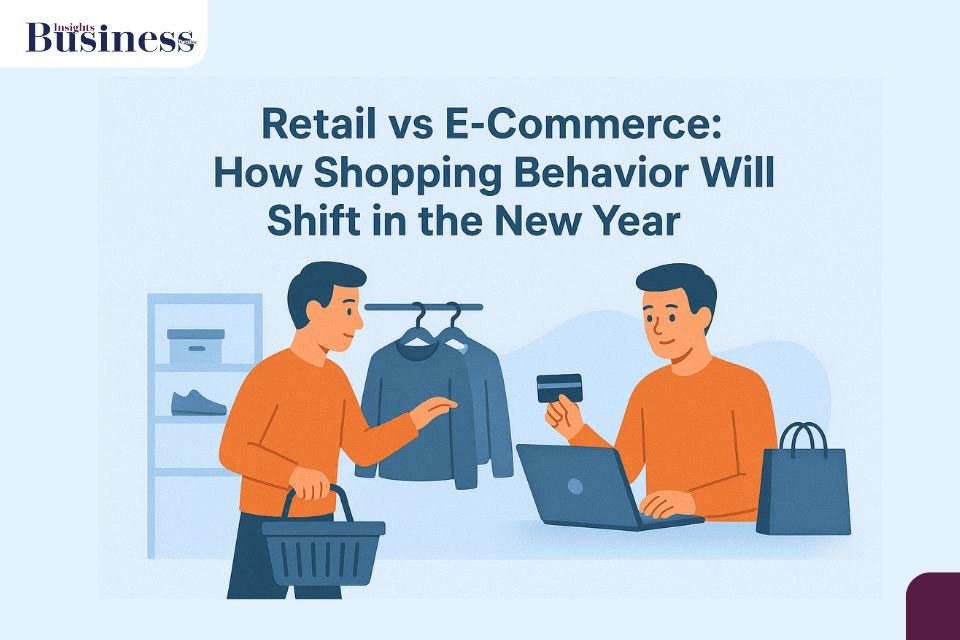
One of the clearest examples of technology changing business is e-commerce.
Traditional businesses depended on physical stores to sell products. Customers had to visit a location, look at available products, and make a purchase.
E-commerce has changed this process.
Businesses can now create online stores where customers can browse products, compare prices, read reviews, place orders, and make payments without visiting a physical location.
This has allowed businesses to reach customers outside their local areas.
A small business can potentially sell products to customers in different cities or countries without opening physical stores in every location.
E-commerce has also created new opportunities for entrepreneurs who want to start businesses with relatively small physical infrastructure.
Social Media Has Changed Marketing
Marketing has also changed dramatically because of technology.
Traditional businesses often relied on television, newspapers, radio, billboards, brochures, and other forms of offline advertising.
Social media has introduced a more direct way for businesses to communicate with customers.
Companies can create pages and profiles where they share product information, educational content, videos, announcements, and promotions.
Customers can comment on posts, ask questions, share content, and communicate directly with businesses.
Social media has also made it possible for smaller companies to build audiences without spending the same amount of money that traditional advertising campaigns might require.
Businesses can also analyze the performance of their online campaigns and determine which content receives the most attention.
Cloud Computing Has Changed Business Operations
Cloud computing is another technology that has transformed modern businesses.
In the past, companies often stored important files and applications on computers and servers located within their offices.
Cloud computing allows businesses to use online infrastructure and software services.
Employees can access files and applications from different locations, provided they have appropriate access.
This is particularly useful for businesses with remote or distributed teams.
For example, employees working in different cities can collaborate on documents, projects, and business systems without needing to be in the same office.
Cloud technology can also help businesses scale their operations because companies can increase or reduce resources according to their requirements.
Remote Work Is Becoming More Practical
Technology has changed the traditional idea of where work happens.
Employees previously needed to be physically present in an office for many types of jobs.
Today, laptops, cloud applications, video conferencing, project-management systems, and messaging platforms allow many employees to work remotely.
A company can have employees located in different cities or even different countries.
Video conferencing allows teams to hold meetings online.
Project-management tools allow employees to track tasks.
Cloud platforms allow teams to share documents.
Communication applications allow employees to communicate throughout the day.
Remote work can provide flexibility, but it also requires good management and communication. Businesses need clear expectations, cybersecurity policies, and effective collaboration systems.
Digital Payments Are Transforming Transactions
Technology has also changed how businesses receive payments.
Cash is no longer the only common payment method.
Customers can use debit cards, credit cards, bank transfers, mobile wallets, QR codes, and other digital payment methods.
For businesses, digital payments can make transactions more convenient and easier to record.
Online businesses especially depend on digital payment systems because customers need a secure way to pay without physically visiting a store.
As digital payments continue to grow, businesses must also pay attention to payment security and fraud prevention.
Artificial Intelligence Is Changing Business
Artificial intelligence is becoming increasingly important across many industries.
Businesses can use AI to analyze information, automate certain tasks, assist customers, generate content, and identify patterns in large amounts of data.
For example, a company may use an AI-powered chatbot to answer frequently asked customer questions.
A business may also use AI tools to analyze customer behavior or assist employees with repetitive tasks.
AI can help companies process information more quickly, but it should be implemented carefully.
Businesses need to consider accuracy, privacy, security, and human oversight when using AI systems.
AI is most useful when it supports employees and helps solve real business problems.
Automation Saves Time
Automation is another major way technology is changing businesses.
Many businesses have repetitive processes that take employees significant amounts of time.
For example, a company may need to send regular emails, generate reports, update records, process orders, or organize customer information.
Software can automate many of these tasks.
Automation does not necessarily mean removing people from the process. Instead, it can allow employees to spend more time on tasks that require creativity, decision-making, communication, and problem-solving.
For businesses, this can improve efficiency and reduce the time spent on repetitive work.
Data Is Becoming a Business Asset
Modern businesses generate enormous amounts of data.
They collect information about sales, customers, website visitors, marketing campaigns, inventory, expenses, and other business activities.
Technology allows businesses to analyze this information.
For example, a company can identify its best-selling products.
It can discover which marketing campaign generates the most customers.
It can determine which products are frequently purchased together.
It can analyze customer behavior and identify trends.
Data-driven decision-making can help businesses make more informed choices.
Instead of relying entirely on assumptions, managers can use actual information to understand what is happening within their business.
Customer Experience Has Become More Important
Technology has also raised customer expectations.
Customers increasingly expect businesses to provide quick responses, convenient shopping experiences, multiple payment options, accurate information, and reliable support.
Businesses can use technology to meet these expectations.
Customers can track orders online.
They can contact customer service through live chat.
They can receive personalized recommendations.
They can access businesses through mobile applications.
They can receive notifications about orders and promotions.
A better digital experience can improve customer satisfaction and encourage customers to return.
Customer Relationship Management
Customer Relationship Management, commonly called CRM, has become an important part of modern business operations.
CRM systems allow companies to organize customer information and track interactions.
A business can record customer inquiries, sales opportunities, previous purchases, support requests, and communication history.
This information can help sales and customer-service teams understand customers better.
Instead of keeping information across different spreadsheets or paper files, employees can access customer information through a centralized system.
This can improve organization and reduce communication problems.
Cybersecurity Has Become Essential
Technology provides opportunities, but it also creates risks.
Businesses now store large amounts of information digitally.
This information may include customer details, financial records, employee information, business documents, and confidential company data.
Cybercriminals may attempt to steal or damage this information.
Businesses therefore need strong cybersecurity practices.
Companies may use firewalls, encryption, multi-factor authentication, secure backups, access controls, monitoring systems, and employee security training.
Cybersecurity is no longer only an issue for technology companies.
Almost every modern business needs to take digital security seriously.
Technology Has Increased Competition
Technology has made competition more global.
A customer searching for a product online may find businesses from different cities or countries.
This means businesses cannot depend only on their physical location.
Companies need to compete through product quality, pricing, customer service, branding, convenience, and online presence.
A small company with an effective digital strategy can compete for attention with much larger businesses.
At the same time, businesses that fail to adapt may lose customers to competitors that offer better digital experiences.
Technology Helps Small Businesses Grow
Technology is particularly valuable for small businesses.
In the past, a small company might have needed significant investment to reach a large audience.
Today, a small business can create a website, use social media, accept online payments, sell through an e-commerce platform, and communicate with customers digitally.
A small business can also use accounting software, cloud storage, CRM systems, and digital marketing tools.
These technologies can help entrepreneurs manage their businesses more efficiently.
Technology has therefore lowered some barriers to entering certain markets.
Technology Is Changing Employee Skills
As businesses adopt new technologies, the skills required by employees are also changing.
Employees increasingly need digital skills.
Depending on their roles, they may need to understand software applications, data analysis, cybersecurity, digital communication, online marketing, or automation.
This makes continuous learning important.
Employees who develop new skills can adapt more easily as technology changes.
Businesses also need to provide training so employees can use new systems effectively.
Simply purchasing new technology does not guarantee success. Employees need to understand how to use it.
Technology Has Changed Business Communication
Communication between businesses, employees, suppliers, and customers has become faster.
Email allows companies to communicate instantly.
Video conferencing allows businesses to hold meetings without requiring everyone to travel.
Instant messaging allows employees to discuss projects quickly.
Online collaboration tools allow teams to work on shared documents and projects.
This has reduced some of the limitations associated with distance.
A company can have a team member in Karachi, another in Lahore, and another in another country while still working together on the same project.
Technology Helps Businesses Understand Customers
Understanding customers is one of the most important parts of business success.
Technology allows companies to collect and analyze customer information.
Businesses can examine which products customers view, which pages receive attention, what products are purchased, and which marketing campaigns perform well.
This information can help companies improve their products and services.
However, businesses must also respect customer privacy.
Collecting information creates a responsibility to protect it and use it appropriately.
Technology Has Created New Business Models
Technology has not only improved existing businesses. It has created entirely new types of businesses.
Subscription services are one example.
Instead of purchasing a product once, customers may pay regularly for access to a service.
Software-as-a-Service businesses provide software through online subscriptions.
Freelancing platforms connect businesses with independent professionals.
Digital marketplaces connect buyers and sellers.
Online education platforms allow instructors and organizations to provide courses to students around the world.
These business models would have been much more difficult to operate at scale without modern technology.
The Challenges of Technology
Although technology provides many advantages, businesses should also recognize its challenges.
New technology can be expensive.
Employees may need training.
Systems can experience technical problems.
Businesses can become dependent on digital infrastructure.
Cybersecurity threats can create financial and reputational risks.
There are also concerns about privacy and responsible use of customer data.
For this reason, companies should not adopt technology simply because it is popular.
Businesses should first identify their problems and then determine whether technology can provide an effective solution.
The Future of Technology in Business
Technology will continue to evolve.
Artificial intelligence, automation, cloud computing, cybersecurity, data analytics, robotics, digital payments, and other technologies will continue influencing businesses.
Companies may become increasingly automated and data-driven.
Customer experiences may become more personalized.
Remote collaboration may continue developing.
Businesses may also use emerging technologies to create new products and services.
However, technology alone will not guarantee business success.
Companies still need good leadership, strong products, talented employees, customer trust, and effective strategies.
Technology should support these areas rather than replace them.
Conclusion
Technology has fundamentally changed modern businesses.
It has transformed the way companies communicate, market products, sell services, manage employees, analyze information, receive payments, and interact with customers.
E-commerce has allowed businesses to reach customers beyond physical locations. Cloud computing has made collaboration easier. Digital payments have simplified transactions. Social media has changed marketing. Automation has reduced repetitive work. Artificial intelligence is helping businesses analyze information and improve certain processes.
At the same time, technology has introduced challenges such as cybersecurity threats, privacy concerns, implementation costs, and the need for continuous employee training.
The most successful businesses will not necessarily be the companies that use the greatest amount of technology. They will be the companies that understand how to use technology effectively to solve real problems.
Technology is a tool, but businesses must decide how to use that tool.
As technology continues to develop, businesses will need to remain flexible and willing to learn. Companies that understand changing customer expectations, invest in appropriate technologies, protect their data, and continuously improve their operations will be better prepared for the future.
Ultimately, the future of business is not simply about technology. It is about using technology to create better products, improve customer experiences, empower employees, and build businesses that can adapt to a changing world.
“Technology is no longer just a tool for business; it has become a driving force behind how businesses grow, compete, and connect.”
The businesses that succeed tomorrow will be those that learn how to use technology to solve today’s problems.